STEM education is often spoken about as preparation for the future.
Future jobs, future skills, future industries and future technologies all sit at the centre of the conversation. For teachers and principals, however, STEM is not only about what students may do one day. It is about what students experience in the classroom right now.
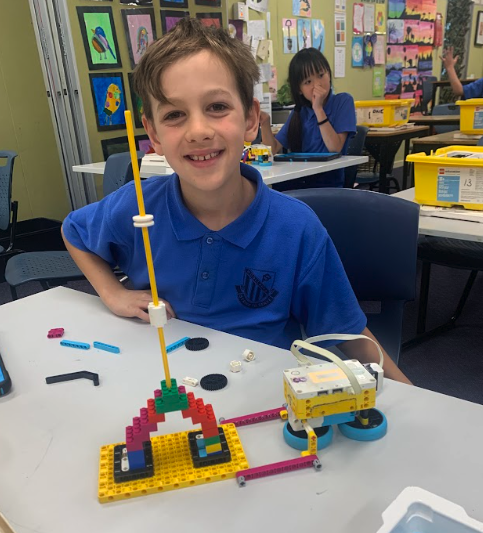
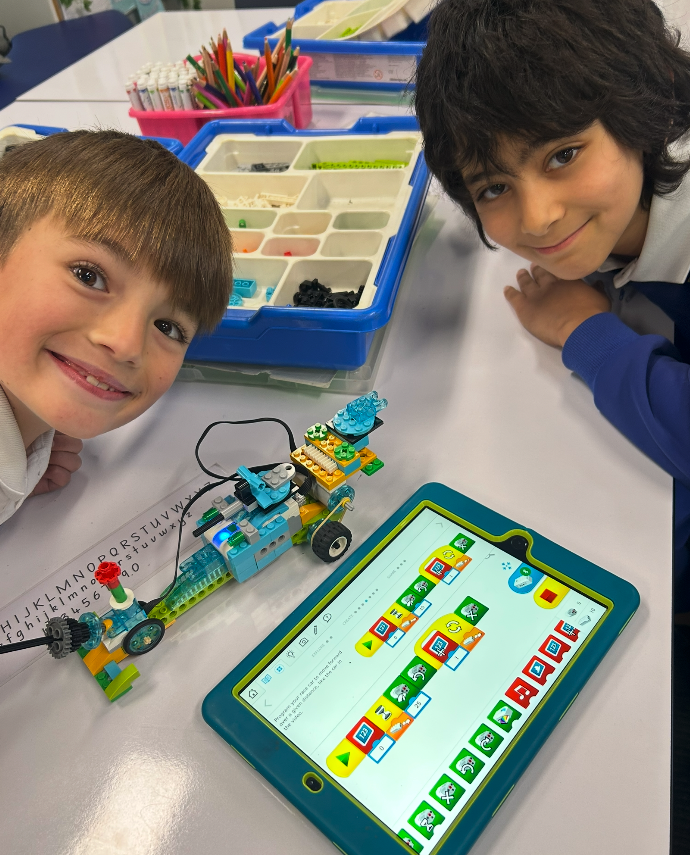
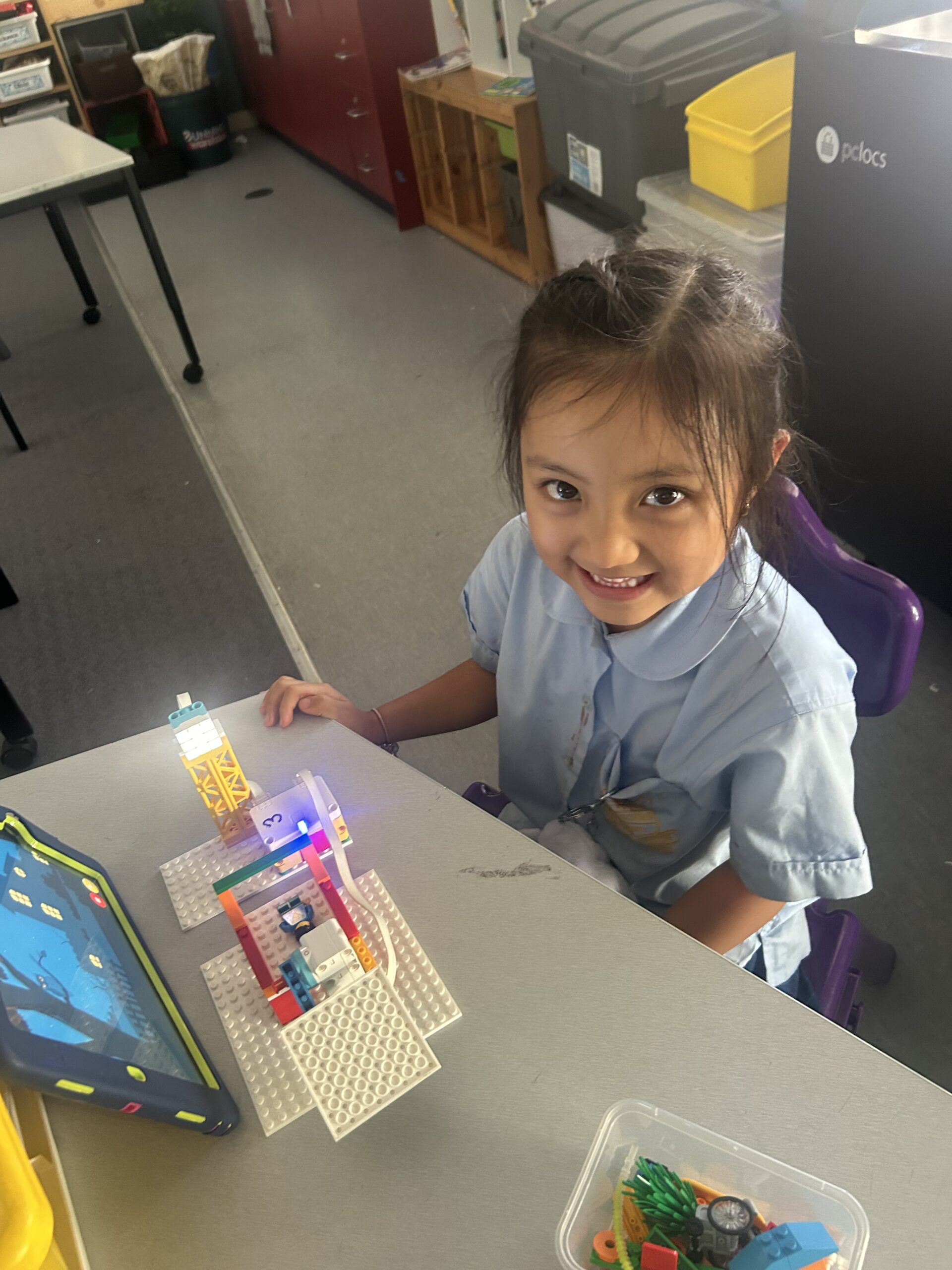
For many children, STEM confidence begins in small but powerful moments. It might be the first time they build something that works, the first time they code a robot and watch it move, or the first time a design fails and they realise they can change something, test it again and improve it.
These moments matter because children form beliefs about themselves early. Long before they choose subjects, careers or pathways, they begin deciding what they are good at, what feels too hard and where they belong. If a student repeatedly experiences STEM as confusing, intimidating or only for “certain types of students”, it becomes easy for them to opt out before they have really had the chance to opt in.
Across Australia, recent NAPLAN reporting has continued to show that a significant number of students are not yet meeting expected benchmarks in core literacy and numeracy areas. For schools, this matters because strong STEM learning does not begin with robotics, coding or engineering alone. It begins with confidence in numeracy, problem-solving, curiosity and the willingness to try.
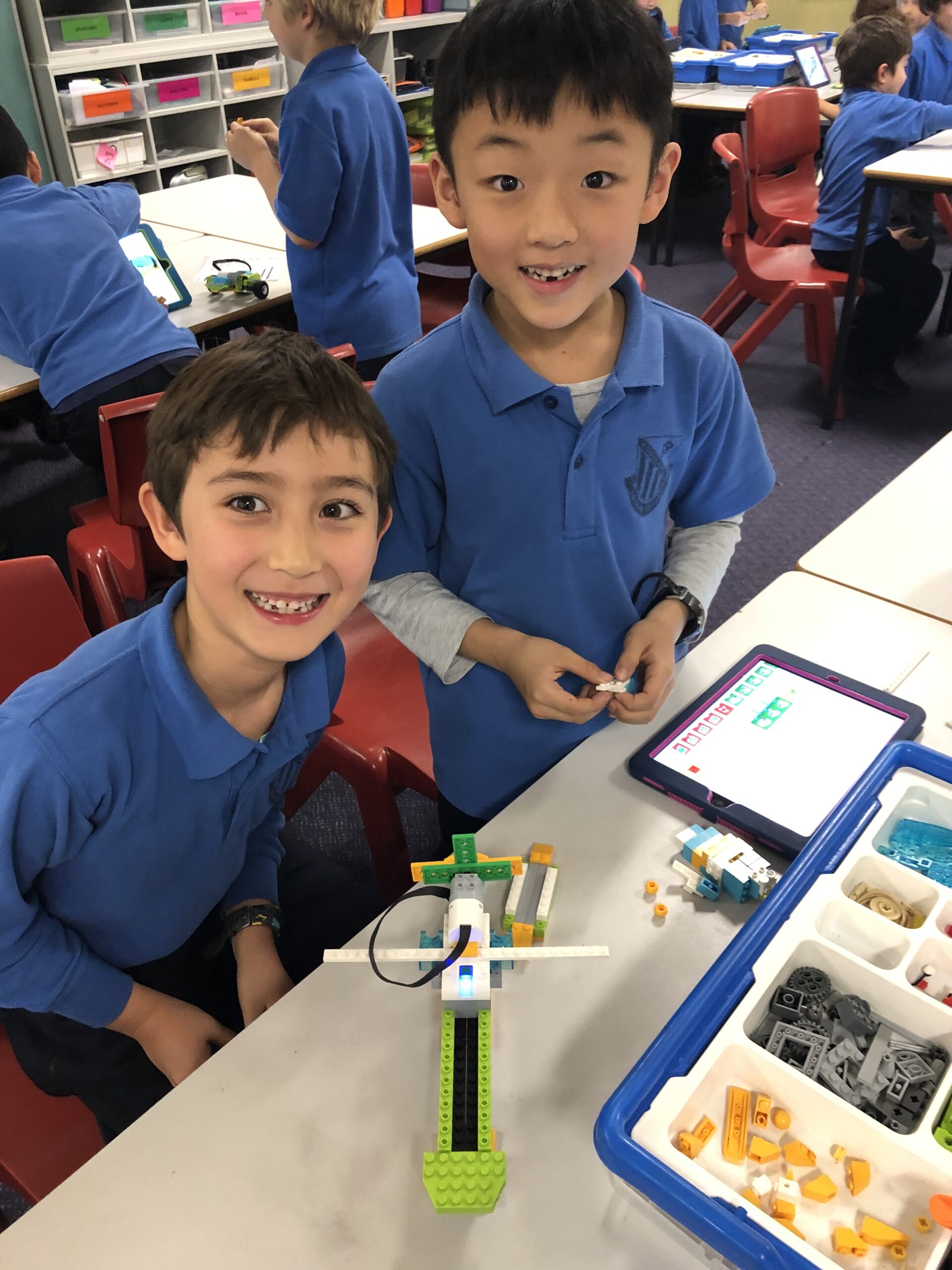
At Robokids, we see this confidence-building process every week. Some students arrive ready to jump straight in. Others are more hesitant. They may say they are not good at technology, worry they will break something, or wait for someone else in the group to take the lead. But when they are given the right support, clear instructions and a practical challenge they can explore, something starts to shift.
They test an idea. It does not work. They adjust it. They try again. They laugh, collaborate, problem-solve and eventually experience the satisfaction of seeing their work come to life.
That process is where STEM becomes more than a subject. It becomes a way for students to understand that mistakes are not the end of learning. They are part of learning.
As Melissa, Director of Robokids, says:
“STEM education is not just about teaching children how to code or build robots. It is about helping them believe they are capable of solving problems. That confidence has to start early.”
Hands-on STEM is particularly powerful because it gives students immediate feedback. If the code is not right, the robot behaves in an unexpected way. If a structure is unstable, it falls over. If the sequence is out of order, the outcome changes. Students can see what is happening, make a change and test again.
This makes learning visible. Instead of being told only whether an answer is right or wrong, students are able to observe the result of their thinking. They can work with peers, talk through what happened and make decisions about what to try next.
For many students, especially those who may not always feel confident in traditional classroom tasks, this creates a different pathway into learning. A well-designed robotics or coding activity can support problem-solving, computational thinking, collaboration, communication, sequencing, measurement, design thinking, creativity and persistence. These are not isolated STEM skills. They are transferable learning skills that help students across the curriculum.
Michele, Director of Robokids, explains it this way:
“The magic happens when students stop waiting for the answer and start testing their own ideas. That is when STEM becomes more than a subject. It becomes a way of thinking.”
For teachers and principals, the opportunity is not simply to offer students a fun STEM session. Enjoyment is important, but it is not enough on its own. The bigger opportunity is to make STEM feel achievable, relevant and connected to classroom learning.
That is why primary school and early secondary school experiences are so important. Students need repeated opportunities to explore STEM before subject choices become high stakes. They need to experience STEM as practical, creative and collaborative. They need to see that STEM is not only for the fastest maths student or the child who already loves science.
STEM belongs to the student who asks good questions. It belongs to the student who notices patterns, enjoys puzzles, likes building things, works well in a team or keeps trying when something does not work the first time. It also belongs to the student who has not yet realised what they are capable of.
The future STEM pipeline will not be built by telling students that STEM is important. It will be built by giving them enough meaningful experiences to believe they belong in it.
For schools, the question is not simply how to do more STEM. The better question is how to give more students practical, confidence-building STEM experiences early enough to make a difference.
Because STEM confidence does not appear overnight. It is built gradually through curiosity, practice, encouragement, trial and error, and teachers who create space for students to think, build and try again.
At Robokids, this is what we care about most: helping students see STEM not as something difficult or distant, but as something they can do.
One build, one code, one problem and one proud moment at a time.
Contact us today to learn more about our workshops in schools and afterschool programs.