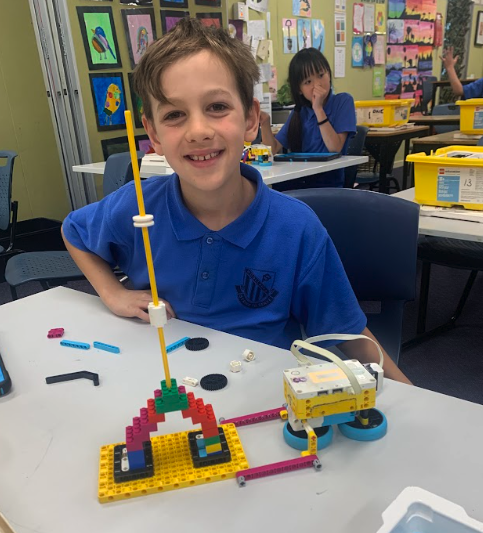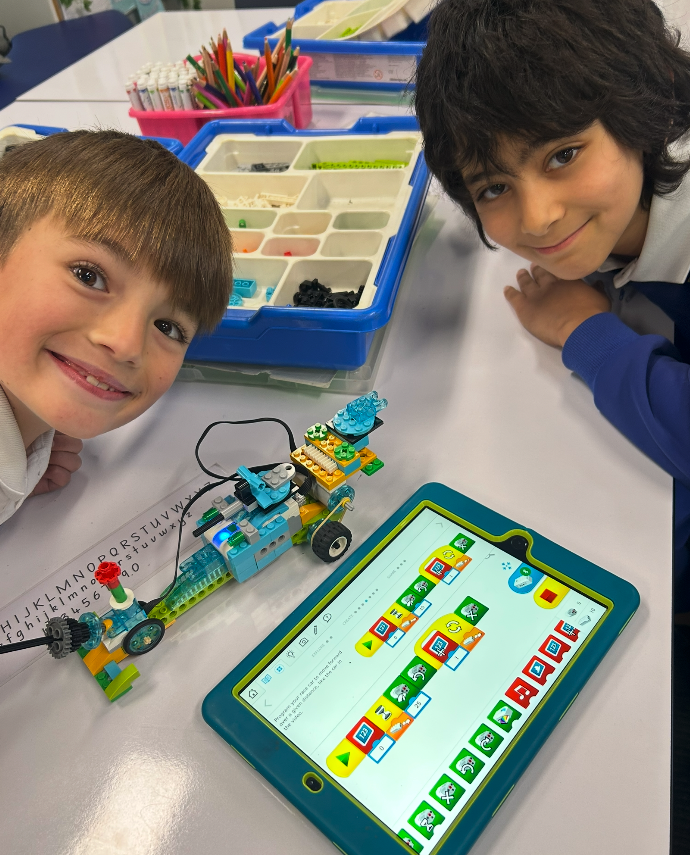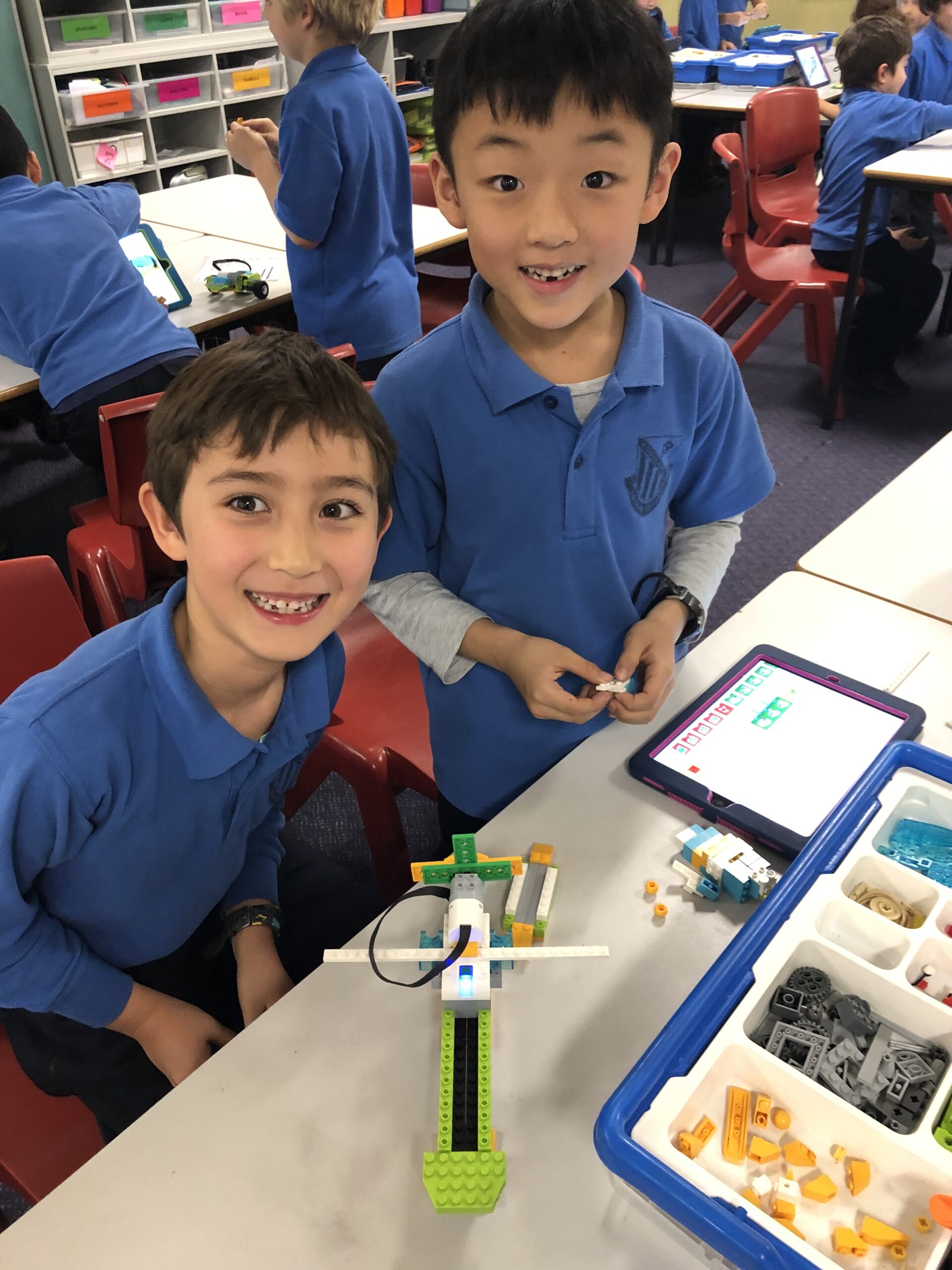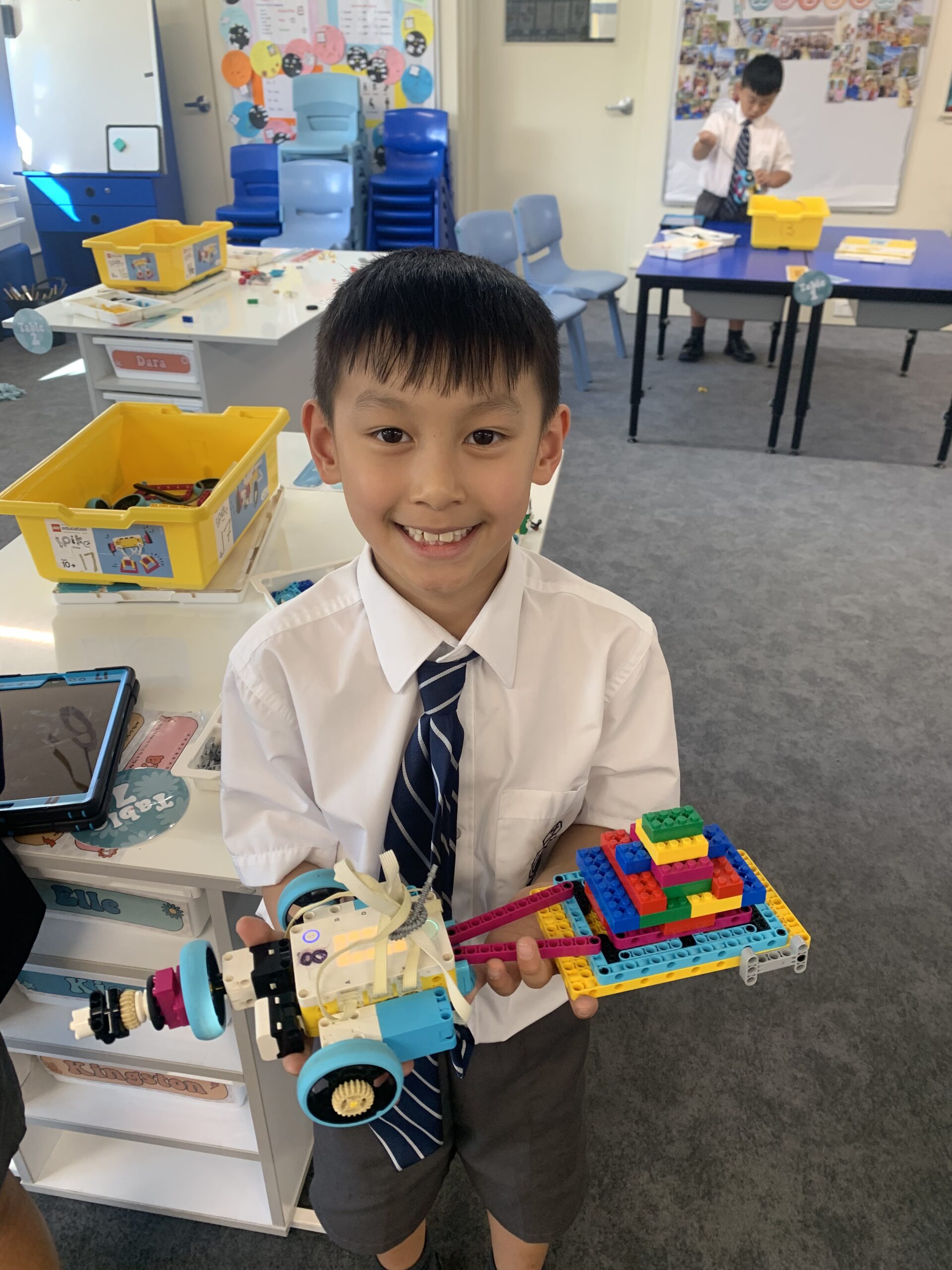
Ask a child what they did in robotics and they probably will not say, “I strengthened my logical reasoning and collaborative problem-solving capacity.”
They will say something much better.
“Our robot worked.”
“It crashed into the wall.”
“We made it go faster.”
“It didn’t work, then we fixed it.”
And that is exactly the point.
Robotics works so well because children are not sitting there trying to “learn skills”. They are trying to make something happen. They want the robot to move, turn, sense, grab, follow, race or complete a challenge. The learning sits underneath the excitement.
In a Robokids robotics lesson, the robot becomes the teacher in disguise. It gives instant feedback. It does not care if the idea sounded good in theory. It either works, or it does not. And when it does not, students have to think, test, talk, adapt and try again.
That is where the magic is.
Not in a worksheet.
Not in a lecture.
Not in being told the answer.
But in that moment when a child looks at a robot doing the completely wrong thing and says:
“Wait. I think I know what happened.”
Here are five skills kids learn through robotics without even realising it.
1. Problem-Solving
Robotics is basically one big “why isn’t this working?” exercise, dressed up as play.
The robot turns left when it should turn right.
The wheels spin but nothing moves.
The sensor misses the object.
The code looks right, but the robot has other ideas.
In a Robokids lesson, these moments are not treated as mistakes to be avoided. They are the lesson.
Students learn to look closely, test one thing at a time, make adjustments and see what changes. They start to understand that solving a problem is not about guessing the answer straight away. It is about noticing what is happening and working through it.
Without realising it, they begin to think like little engineers:
What changed?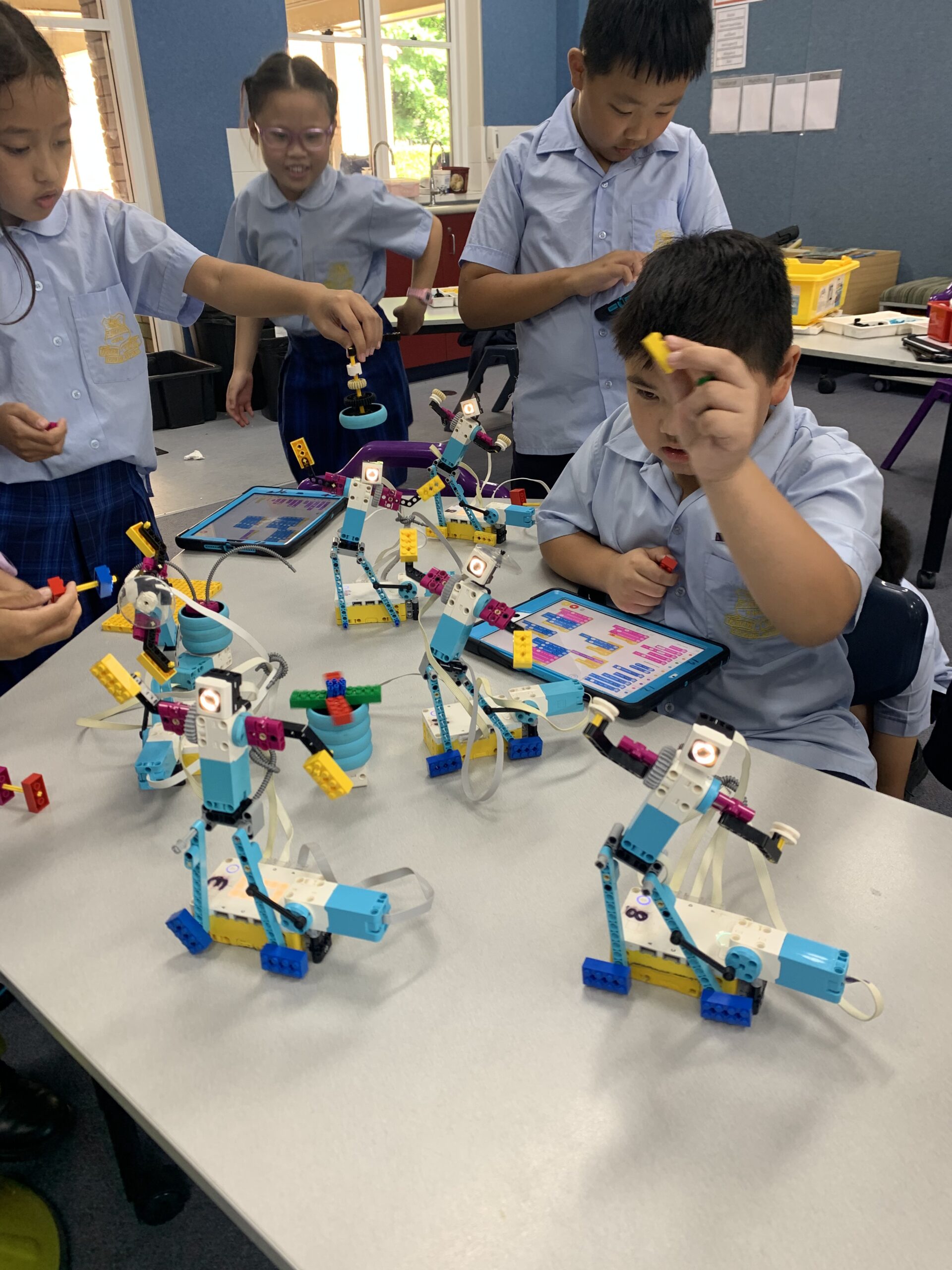
What is the robot doing now?
What can we try next?
That kind of thinking travels well beyond robotics.
2. Resilience
Robots are wonderfully stubborn.
They do exactly what they are built and coded to do, even when that is not what the child intended. This makes robotics a brilliant environment for building resilience, because students experience frustration in a way that feels manageable and purposeful.
The robot is not “marking them wrong”.
It is simply showing them what needs fixing.
Robokids lessons give children repeated opportunities to try, fail safely, adjust and try again. Over time, students become less afraid of things not working the first time.
They learn that a failed test is not the end of the task. It is information.
That shift matters.
Because when children realise they can fix the robot, they also start to believe they can tackle other hard things too.
3. Collaboration
Robotics has a funny way of making teamwork unavoidable.
One child might be holding the build together. Another is checking the code. Someone else is insisting the wheel is definitely on backwards. Everyone has an opinion.
And somehow, that is where the learning happens.
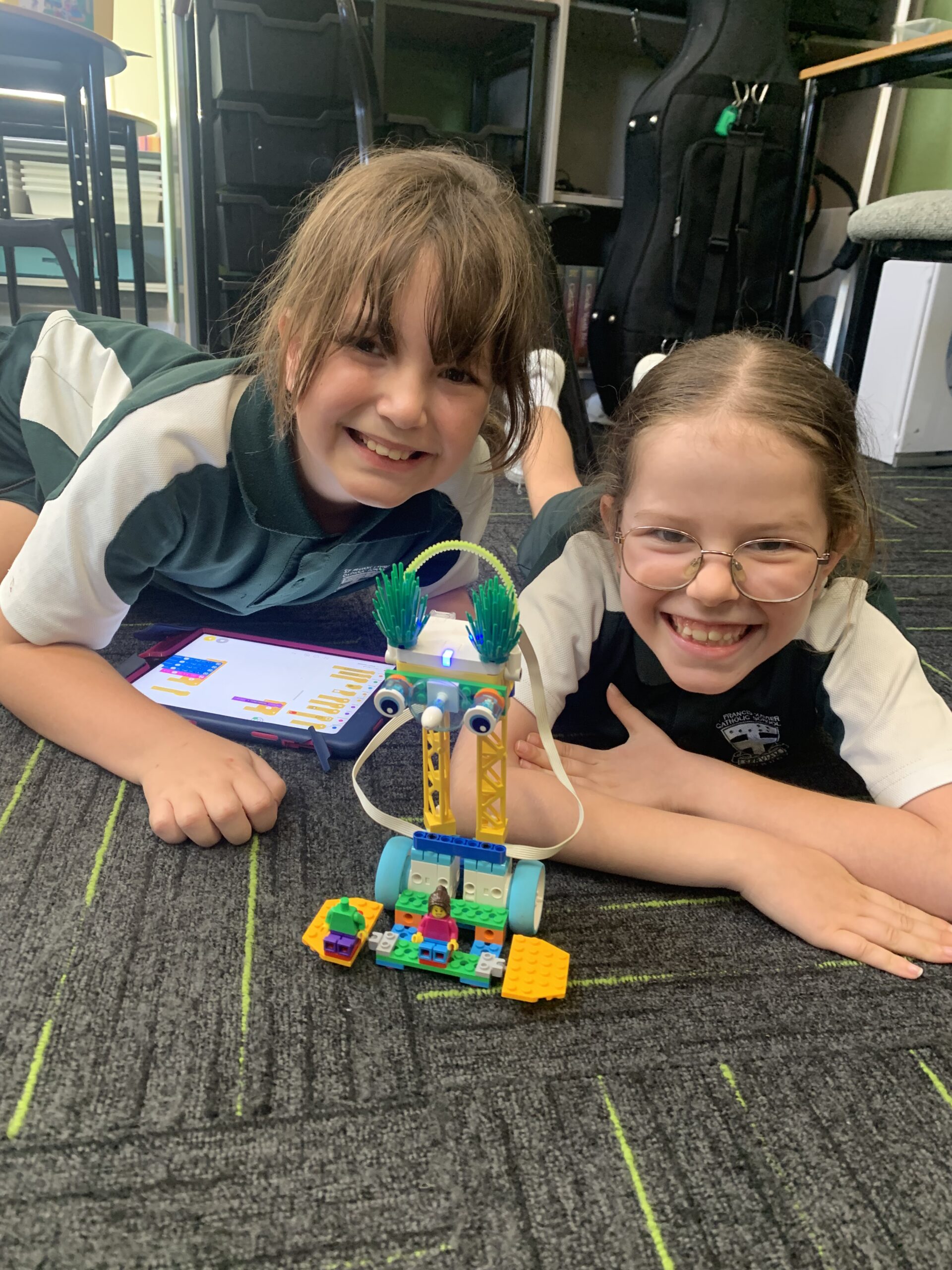
In Robokids robotics lessons, students practise collaboration through action. They have to explain ideas, listen to different suggestions, share materials, negotiate decisions and work towards a shared outcome.
It is not teamwork as a poster on the wall.
It is teamwork because the robot will not get across the mat unless the group figures it out together.
Students quickly discover that someone else’s idea might be the missing piece. They learn that disagreement can lead to a better design. They learn that celebrating a working robot feels even better when everyone had a part in making it happen.
4. Logical Thinking
A robot is very literal.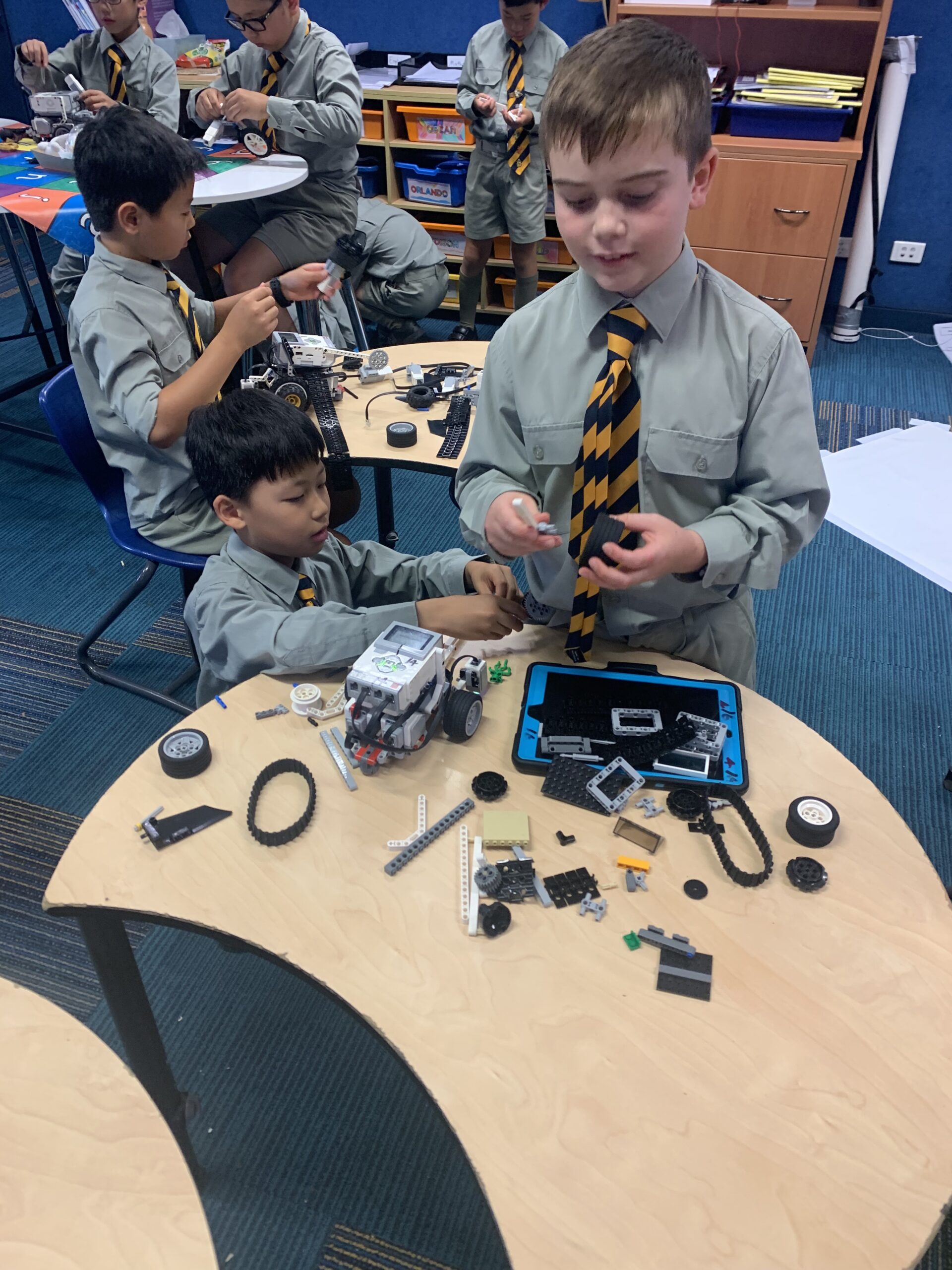
It will not “sort of understand” what a child meant. It follows the instructions exactly as they are given.
That is what makes robotics such a powerful way to build logical thinking.
Students learn that order matters. Details matter. One missing step can change the whole outcome. If the robot needs to move forward, turn, pause, sense an object and respond, each instruction has to be placed in the right sequence.
Robokids lessons help children break big challenges into smaller parts:
What should happen first?
What should happen next?
Where does the robot need to stop?
What instruction is missing?
This kind of thinking is not limited to coding. It supports maths, writing, planning, science investigations and everyday decision-making.
Children may think they are just making a robot complete a task. Really, they are learning how to structure their thinking.
5. Creativity
People often think robotics is all logic and code.
But put the same challenge in front of a group of children and you will quickly see how creative it becomes.
No two robots look exactly the same.
No two teams solve the problem in exactly the same way.
No two students explain their ideas in exactly the same words.
That is the beauty of robotics.
Robokids robotics lessons give children space to design, test and personalise their thinking. A student might solve a challenge by changing the build. Another might change the code. Another might completely rethink the strategy.
Creativity in robotics is not about making something pretty. It is about imagining another way.
It teaches children that technology is not just something they use. It is something they can shape, build and improve.
Why This Matters
The best robotics lessons do not feel like “skills training” to kids.
They feel like a challenge. A game. A build. A mission. A moment of chaos when the robot does something unexpected and everyone bursts out laughing.
But hidden inside those moments are skills children carry with them.
They are learning to solve problems without panicking.
They are learning to keep going when something is hard.
They are learning to work with other people’s ideas.
They are learning to think clearly and sequentially.
They are learning to create, not just consume.
That is what Robokids robotics lessons are designed to do.
Not just teach children about robots.
Teach children what they are capable of when they build something, test it, fix it and try again.
Contact us today to learn more about our workshops in schools and afterschool programs.