In our recent parent checklist, we shared one of the most important questions parents can ask when choosing a robotics program: What will my child actually learn by the end of this program?
Because robotics should absolutely be fun. The spinning parts, moving robots, “it worked!” moments and proud little faces are all part of the magic.
But a great robotics program should also have purpose.
A recent Robokids pro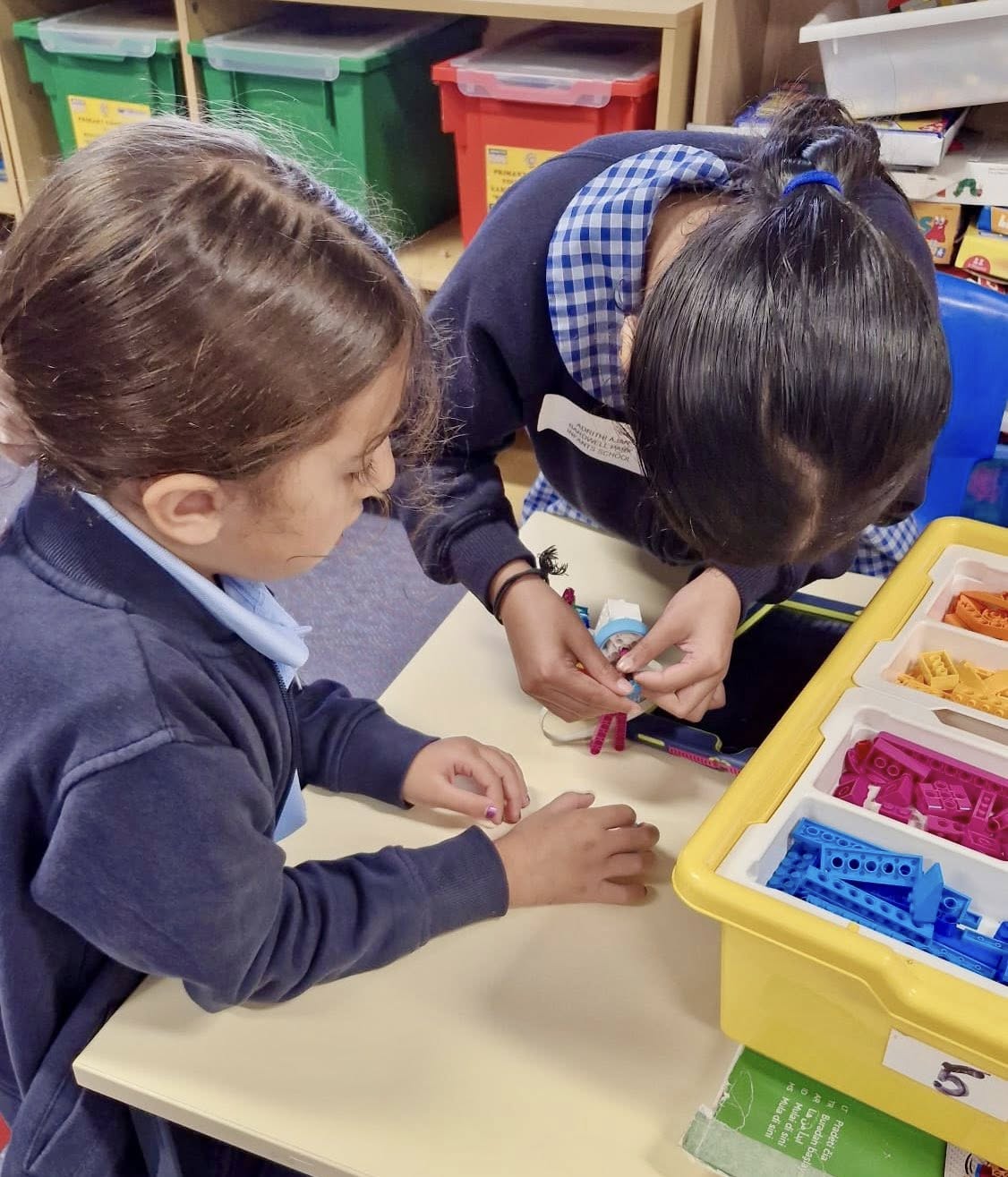 gram at Bardwell Park Infants School in Sydney is a perfect example of what this looks like in action.
Bringing robotics into the new NSW Science curriculum
This term, Bardwell Park Infants School is rolling out the new NSW Science curriculum. The school principal asked Robokids to design a six-week robotics program that connected directly to the new syllabus outcomes for Stage 1 students.
The brief was clear.
Students needed to learn how to use the design process to create or improve a kitchen product that meets user needs. They also needed to investigate materials, food and fibres used in the kitchen, and explore how innovative products and digital kitchen appliances influence the way we use food and fibre.
So, Robokids Co-Director Melissa Clark designed a six-week program that brought those curriculum outcomes to life through hands-on robotics.
The program was run with 15 Stage 1 students, across Year 1 and Year 2, over six lessons.
The challenge: design a smart kitchen mixer
One of the lessons focused on designing a smart kitchen tool for a future kitchen.
To begin, students explored mixers and how they move. Melissa brought in a real kitchen mixer so the children could see how it worked in everyday life. They watched the circular movement, talked about what the mixer was doing, then used their bodies, hands and heads to act out the movement themselves.
It was playful. It was energetic. It was fun.
But it was also purposeful.
Before the students even touched the robotics materials, they were already thinking about movement, function, design and user needs.
Then came the challenge.
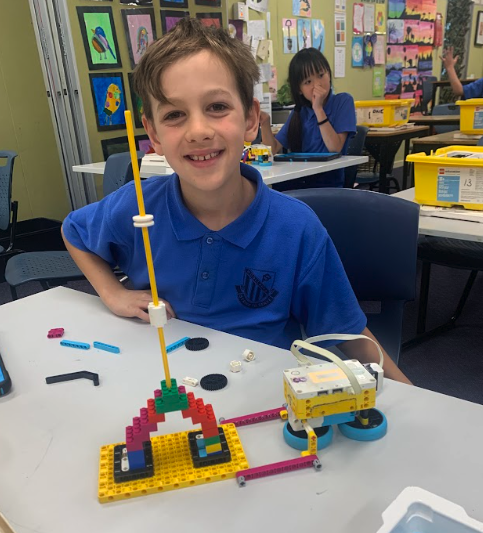
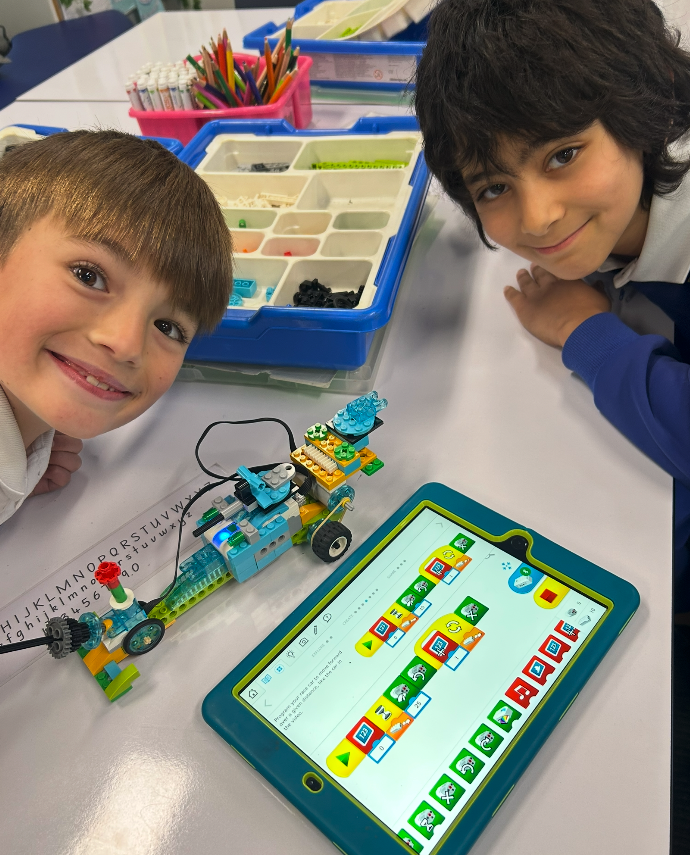
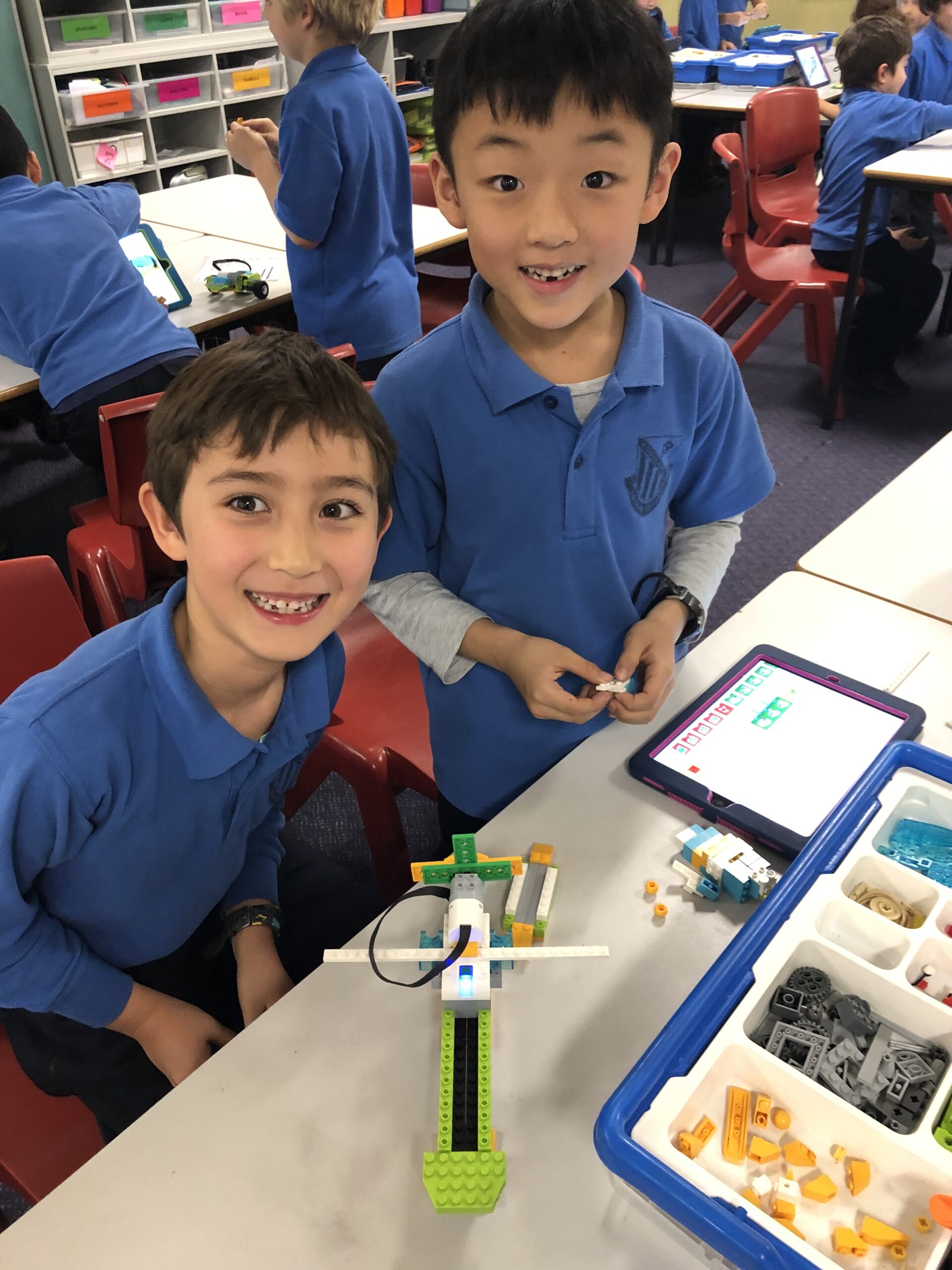
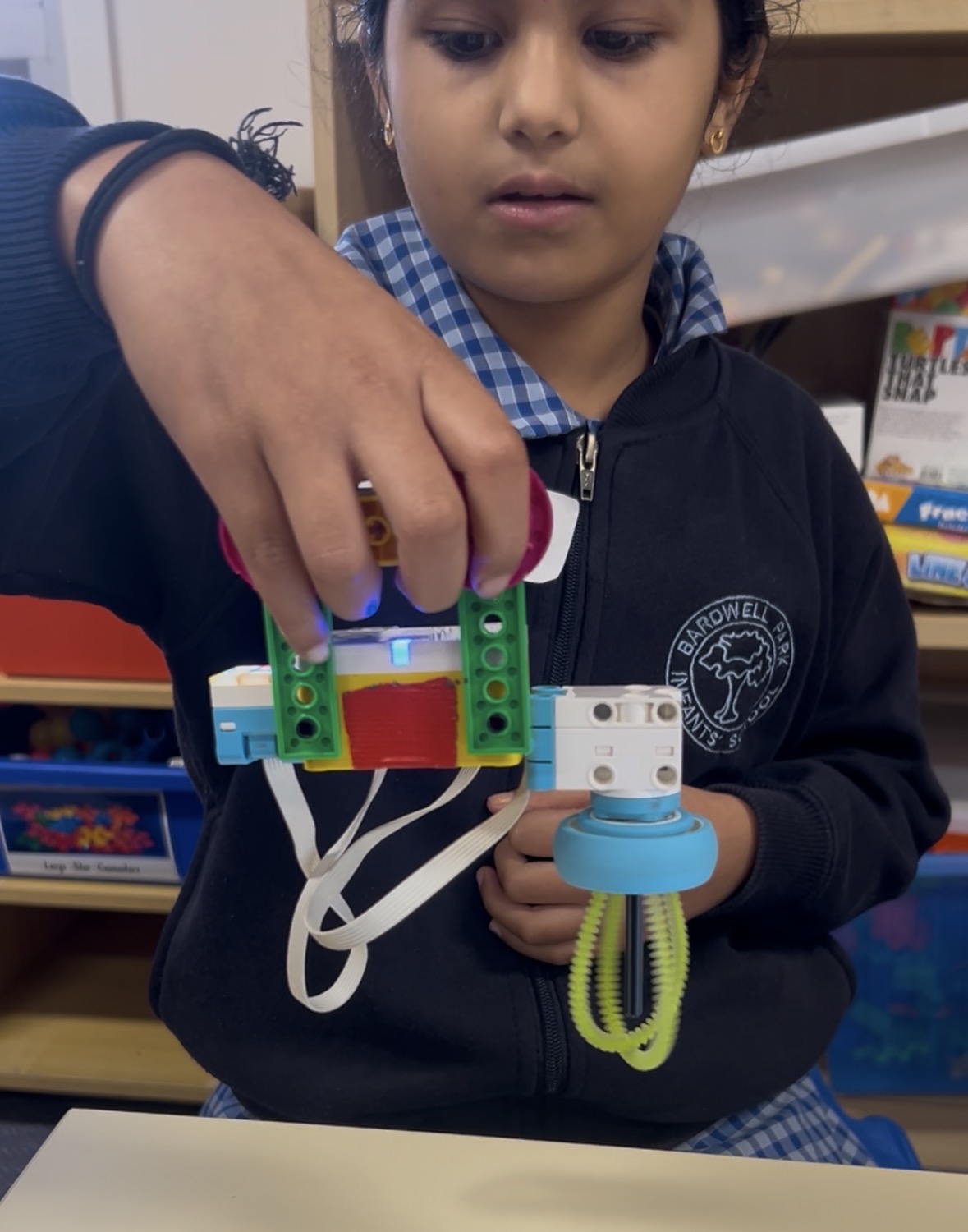
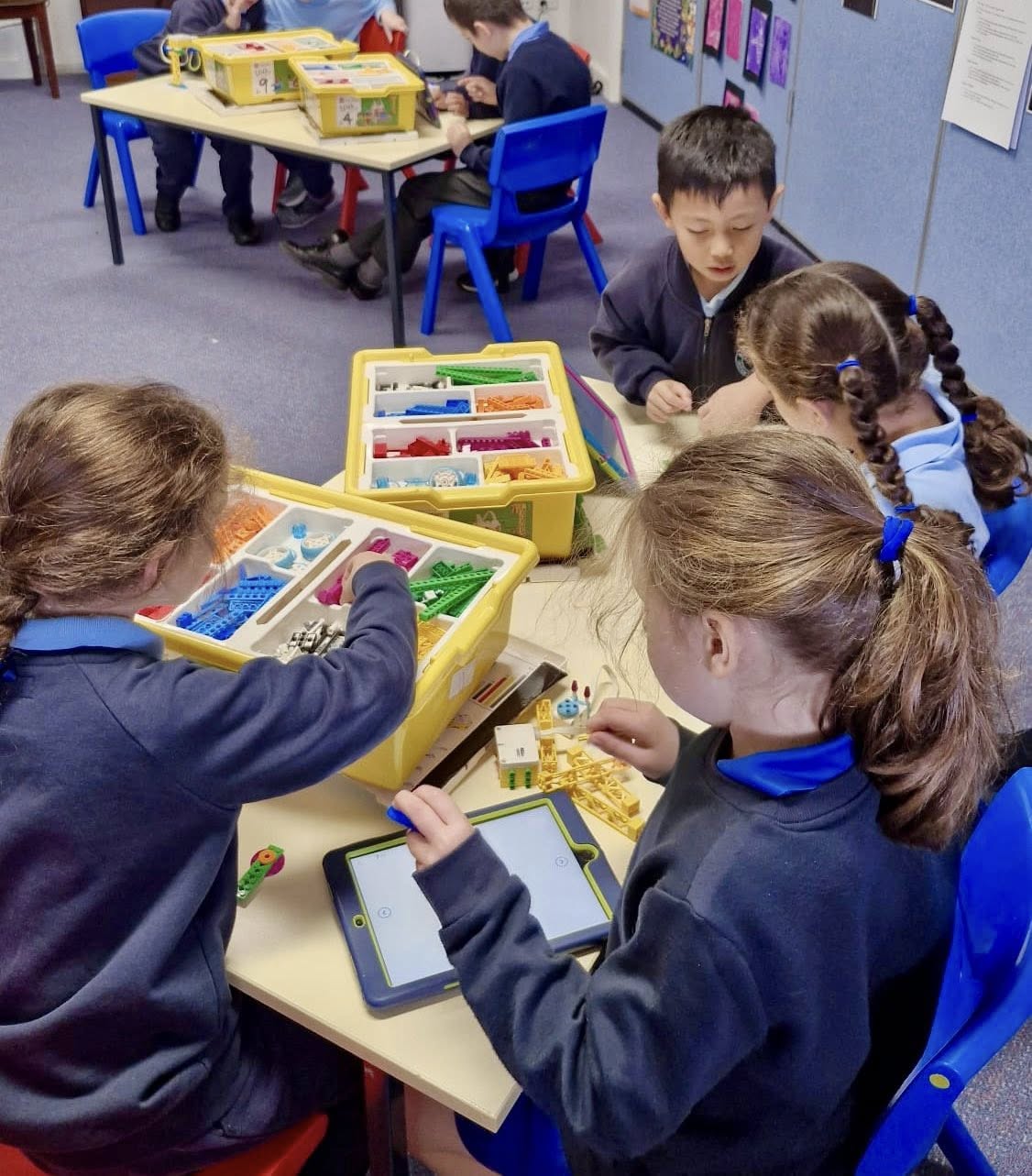
Using LEGO Education SPIKE Essential, students had to design and build their own robotic kitchen mixer.
They were given a picture of a hand mixer as a stimulus, but no step-by-step instructions.
That part was important.
Instead of copying a model, students had to think, design, test and create for themselves.
More than building: designing, coding and problem-solving
Throughout the lesson, students had to make decisions together.
What kind of mixer should we build?
Which pieces should we use?
How will the motor attach?
How do we make the spinning part strong enough?
How do we stop it falling apart?
How do we code it to move slowly, then faster and faster?
When something did not work, the students had to troubleshoot.
If the code was wrong, they adjusted it.
If the mixer fell apart, they strengthened the design.
If the motor was not connected properly, they had to work out why.
This is the difference between entertainment and education.
The students were not just “playing with robots”. They were using coding, sequencing, engineering design, computational thinking, collaboration and problem-solving to create a working product.
The proudest part: the mixer museum
At the end of the 90-minute lesson, every pair had created a working robotic mixer.
The students were proud that their design was different from everyone else’s. They were proud that their mixer could spin. They were proud that they had solved problems, made changes and created something that worked.
To celebrate, the class created a “mixer museum”.
All the mixers were set up around the room. Students walked around, looked at each other’s designs and saw the different ways their classmates had solved the same challenge.
It was a beautiful moment of shared learning.
The room was full of creativity, movement, discussion and pride.
What did the children actually learn?
By the end of the lesson, the students had done far more than build a robot.
They had:
- explored how a real kitchen product works
- used the design process to create their own version
- selected materials and parts for a purpose
- worked with a partner to make decisions
- connected a motor and power hub
- coded their mixer to move at different speeds
- tested and improved their design
- explained and shared their final product
And importantly, every child stayed focused and engaged for the full 90 minutes.
There were no behaviour issues. The students were on task, working together, solving problems and celebrating their success.
This is what purposeful robotics looks like
At Robokids, we believe children learn best when they are actively involved in the process.
They need to build. Test. Break. Fix. Talk. Try again. Laugh when it goes wrong. Cheer when it finally works.
That is what makes robotics such a powerful way to learn.
It gives children an immediate, hands-on way to understand big ideas like design, coding, systems, movement, materials and problem-solving.
And for parents, this is the key takeaway:
A great robotics program should be able to clearly explain what your child will learn.
Not just:
“They’ll have fun with robots.”
But something more meaningful:
They will learn how to give clear instructions.
They will learn how to build and test a design.
They will learn how to solve problems with a partner.
They will learn how to code movement.
They will learn how to explain what they created and why it works.
That is the difference between simply playing with robots and learning through robotics.
And at Bardwell Park Infants School, that learning was happening in every pair, every mixer and every proud little “look what we made” moment.
Contact us today to learn more about our workshops in schools and afterschool programs.