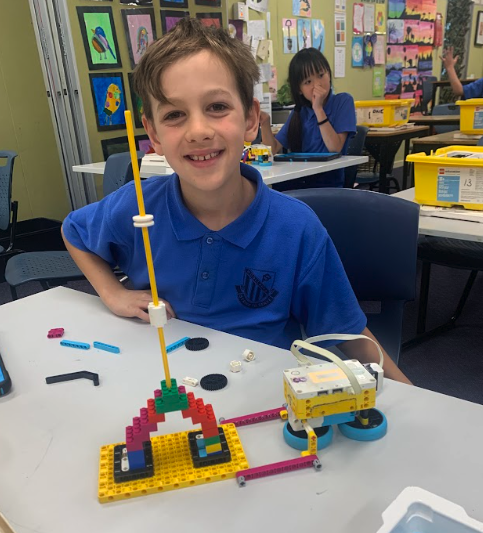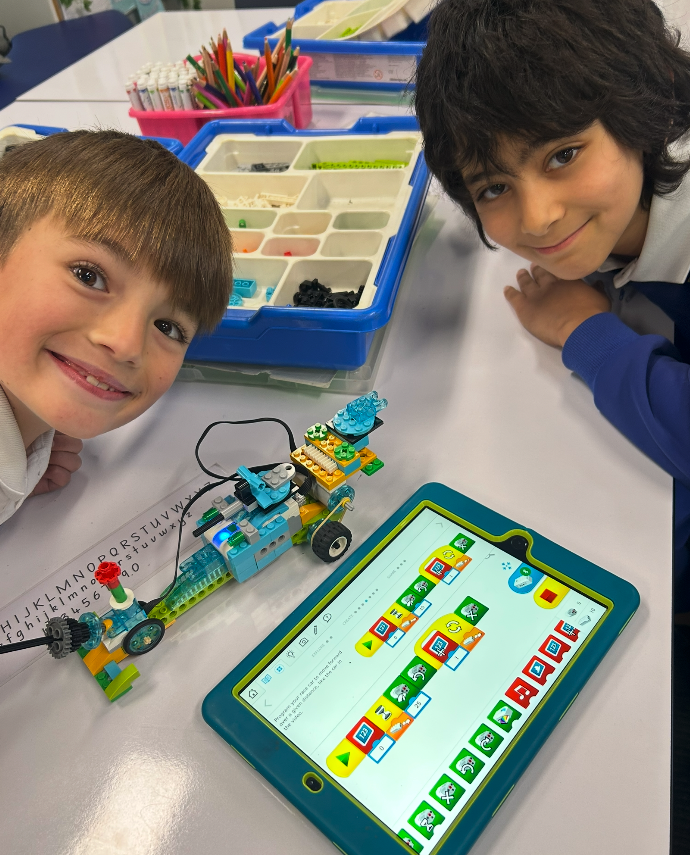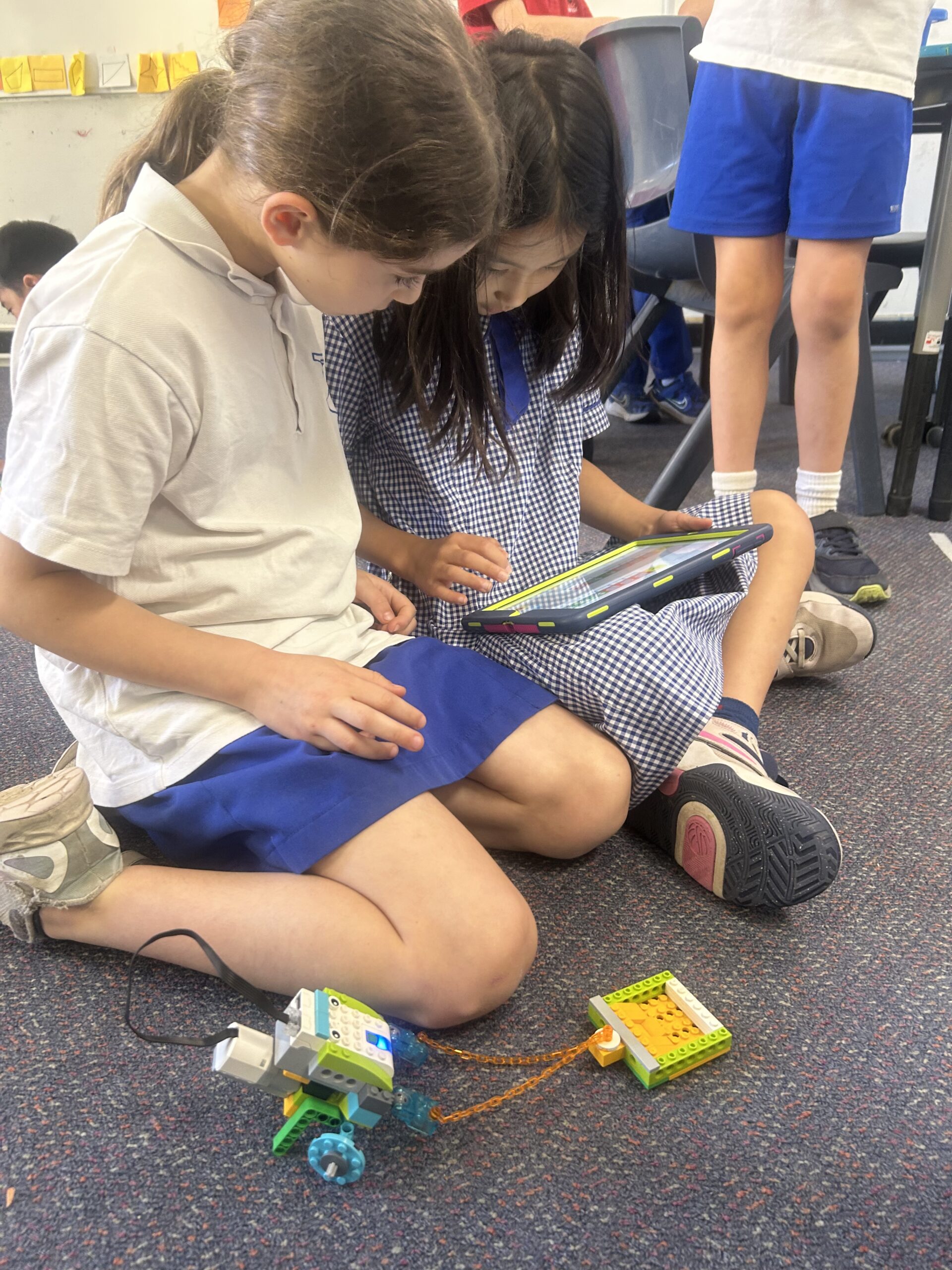
Choosing a robotics program for your child can feel a little like standing in front of a wall of shiny gadgets.
There are robots, coding blocks, competitions, sensors, wheels, wires and lots of big promises about “future-ready skills”.
But here is the secret: a great robotics program is not really about the robot.
It is about what the robot helps your child learn.
Across Australia, STEM education is becoming more important than ever. The Australian Curriculum places strong emphasis on Digital Technologies and Design and Technologies, helping children build skills in problem-solving, computational thinking, design, creativity and collaboration. In other words, the best robotics programs do not just keep kids busy. They help them think like inventors.
So, what should parents actually look for?
1. A program that is age-appropriate
A five-year-old and a twelve-year-old should not be doing the same robotics activity.
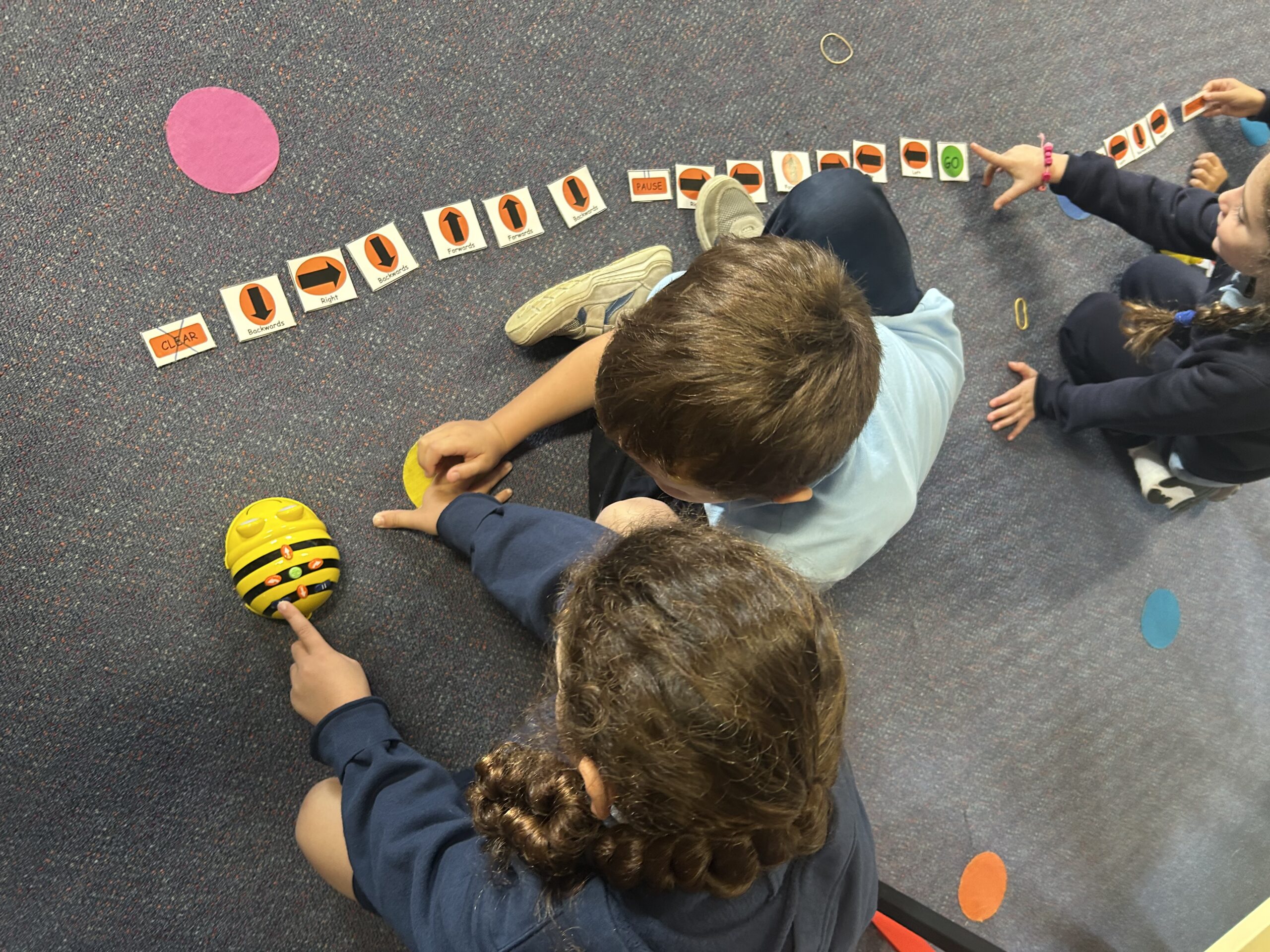
For younger children, robotics should feel playful, hands-on and full of discovery. They might be learning how to give simple instructions, use directional language, follow a sequence or make a robot move from one place to another.
For upper primary students, the learning should start to stretch. They might explore sensors, loops, problem-solving challenges, design thinking and teamwork.
By high school, robotics should become more advanced, with students moving into harder challenges, engineering design, text-based coding, competitions or real-world projects.
The best programs grow with your child.
2. A program that teaches problem-solving, not just button-pushing
It is easy to make a robot move. It is much more powerful when a child understands why it moves.
A strong robotics program should encourage children to ask:
- What problem are we solving?
- What do we want the robot to do?
- What went wrong?
- How can we improve it?
- What would we try differently next time?
That trial-and-error process is where the magic happens. Children learn that mistakes are not failures. They are clues.
At Robokids, this is one of the most important parts of the learning experience. Children are encouraged to test, tinker, collaborate and keep going, even when the first idea does not work.
3. A program linked to real learning outcomes
Robotics should be fun, but it should also have purpose.
In Australia, quality robotics learning should connect with key skills from the Technologies learning area, including coding, sequencing, data, systems thinking, engineering design and computational thinking.
Parents do not need to know the curriculum inside out, but they can ask a simple question:
“What will my child actually learn by the end of this program?”
A great provider should be able to answer clearly.
Not just “they’ll have fun with robots”, but something more meaningful, like:
“They’ll learn how to give clear instructions, build a simple program, test their design, solve problems as a team and explain how their robot works.”
That is the difference between entertainment and education.
4. Qualified, child-safe instructors
Robotics programs are hands-on, busy and full of moving parts, so the people running them matter.
Parents should look for programs with experienced educators, strong supervision, appropriate child safety checks and clear risk management. In Australia, adults working with children generally need the relevant Working With Children Check or equivalent clearance, depending on the state or territory.
It is also worth asking about group size. Smaller groups usually mean children get more support, more encouragement and more time to ask questions.
A great robotics teacher does not just understand technology. They know how to explain big ideas in a way children understand.
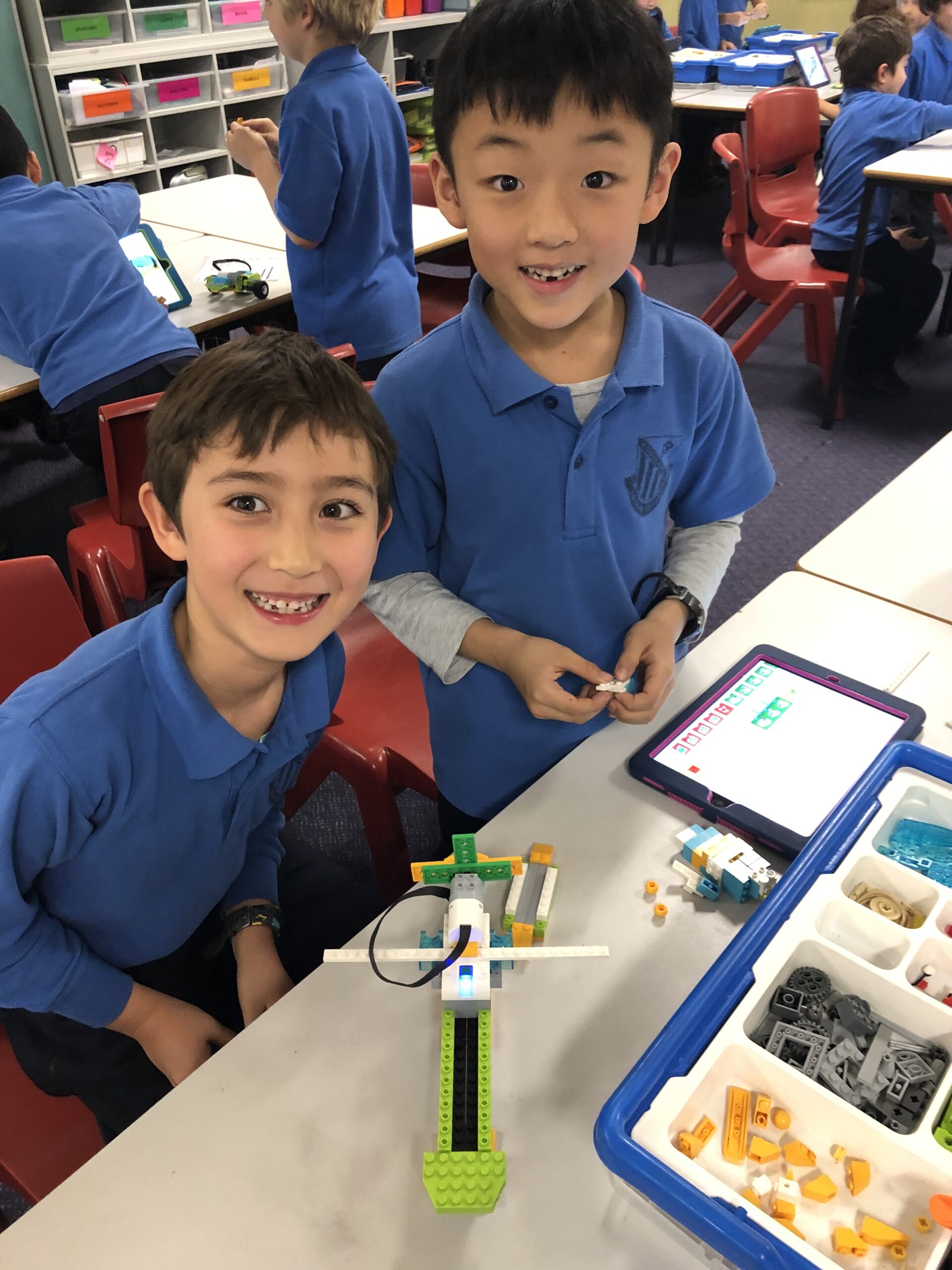
Contact us today to learn more about our workshops in schools and afterschool programs.